

Soil Compactor: Building the Foundation of Strength
Release time:
2025-06-28
Author:
Source:
Abstract
In the world of construction, a strong and stable foundation is the key to the longevity and safety of any structure. At the heart of creating this solid base lies the soil compactor, an essential piece of equipment that often operates behind the scenes but plays a crucial role in ensuring the integrity of construction projects.
The soil compactor's primary function is to increase the density of soil by reducing the air voids within it. This process, known as soil compaction, is achieved through the application of mechanical force. There are different types of soil compactors, including vibratory compactors, static compactors, and impact compactors, each designed to suit specific soil types and project requirements.
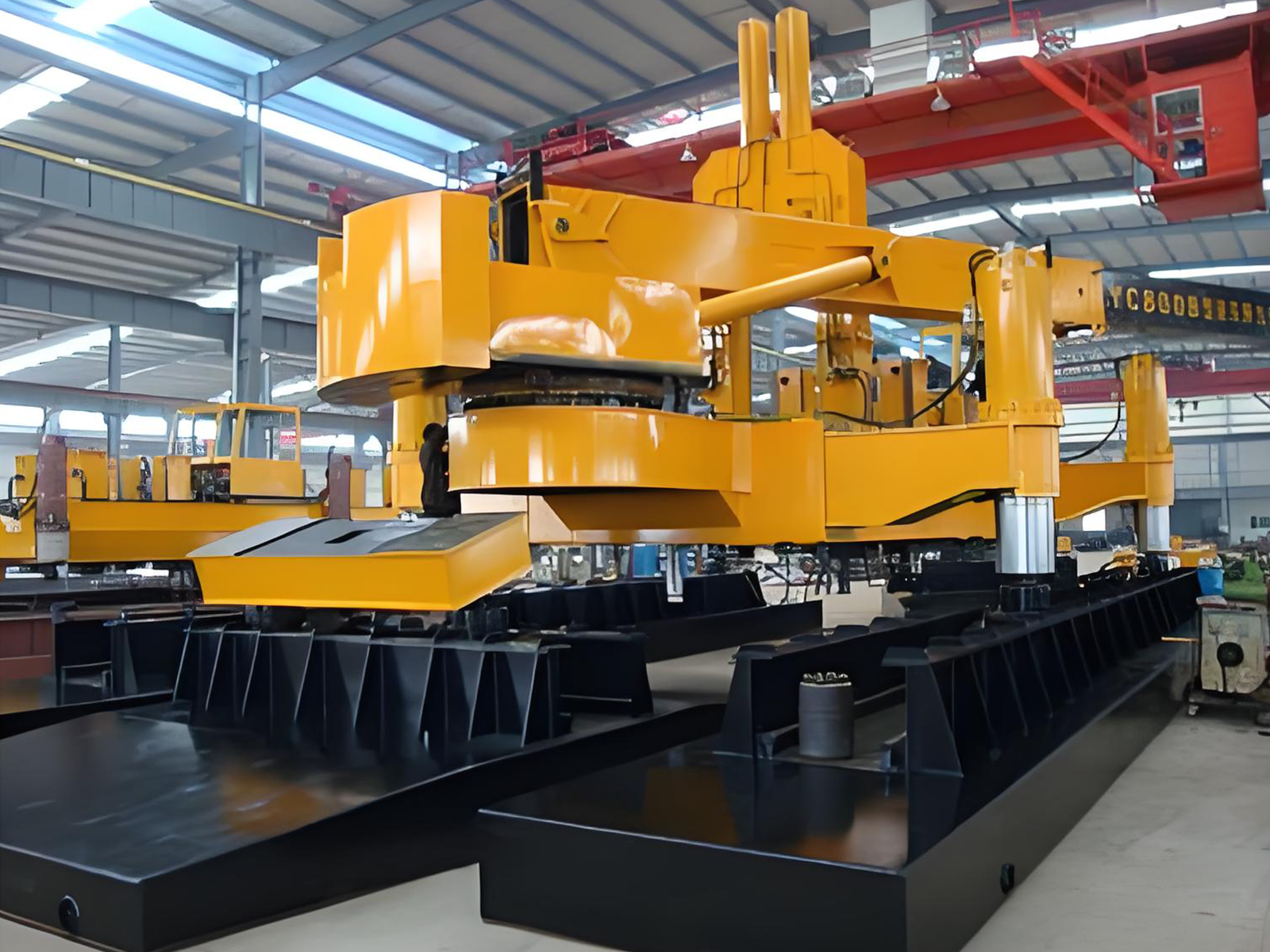
One of the main reasons soil compaction is vital in construction is to prevent settlement. When soil is not properly compacted, it can settle over time under the weight of the structure, leading to cracks, uneven surfaces, and potential structural failures. By using a soil compactor, contractors can ensure that the soil has sufficient strength and stability to support the load of buildings, roads, bridges, and other structures. For example, in road construction, a well - compacted soil base provides a smooth and durable surface that can withstand heavy traffic for years.
Soil compactors also work in tandem with other construction equipment. In a typical construction project, a wheel dozer is often used first to clear the site and prepare the soil for compaction. Once the soil is in place and roughly leveled, the soil compactor takes over. It systematically compresses the soil, layer by layer, to achieve the desired density. After the soil is compacted, a stationary concrete pump can be used to pour the foundation or other concrete elements, knowing that the soil beneath will provide a stable support. Additionally, a telescopic crane may be employed to lift and position heavy materials during the construction process, all relying on the stable base created by the soil compactor.
The efficiency of soil compactors has been greatly enhanced by modern technology. Many soil compactors are now equipped with advanced sensors and control systems that can monitor the compaction process in real - time. These systems can provide valuable data on soil density, moisture content, and the number of passes required for optimal compaction. This data - driven approach not only improves the quality of compaction but also reduces the risk of over - or under - compaction, saving time and resources in the long run.
Maintenance of soil compactors is also an important aspect of ensuring their performance. Regular checks of the compaction drum, hydraulic system, and other components are necessary to prevent breakdowns. Proper maintenance not only extends the lifespan of the equipment but also ensures that it continues to deliver consistent and reliable results on construction sites.
In conclusion, the soil compactor is the unsung hero that builds the foundation of strength in construction. Its role in creating a stable soil base, in coordination with other essential construction equipment such as the wheel dozer, stationary concrete pump, and telescopic crane, is indispensable. By investing in high - quality soil compactors and proper compaction techniques, construction projects can be built to last, providing safety and functionality for years to come.
Recommended Reading
How Compaction Machinery Accelerates Project Completion in Engineering and Construction
2026-10-15
Understanding Gantry Cranes: Essential Insights for Industrial Professionals
2026-10-12
Exploring Different Types of Plate Compactors and Their Uses
2026-10-09

Changsha Runsun Industrial Equipment Co.,Ltd
Address:
No.5-1-401# Chutian Building. Kaiyuan Rd, Changsha Hunan P.R.C
Jerry Xu:
Tel/Whatsapp:+86 15116181826
Email: jerryxqx@qq.com
Bruce Tang :
Tel/Whatsapp:+86 18153792825
Email: 114116432@qq.com
Libby Hu
Tel/Whatsapp:+86 13975100742
Email: libbyhu2977@outlook.com


